Redefining Style: The Rise of Sustainable Fashion
Fashion has always been a mirror of society, reflecting not only creativity and self-expression but also the values and priorities of its time. In recent years, a significant shift has taken place. Beyond seasonal trends and flashy runways, the conversation has turned toward sustainability. The rise of sustainable fashion signals not just a temporary phase but a long-term transformation in how we think about clothing, consumerism, and the environment.
Understanding Sustainable Fashion
Sustainable fashion focuses on creating clothing in ways that minimize environmental impact while promoting ethical labor practices. It prioritizes eco-friendly materials, waste reduction, and fair wages for workers. Unlike fast fashion, which churns out inexpensive garments at the cost of environmental harm, sustainable fashion aims for longevity and responsibility.
This movement challenges consumers to rethink their relationship with clothes. Instead of buying impulsively, people are now asking where their clothes come from, how they are made, and what impact their choices have on the planet.
From Awareness to Action
The shift toward sustainability didn’t happen overnight. It grew from increasing awareness about pollution, exploitation, and the massive waste problem in the fashion industry. Documentaries, campaigns, and social media influencers have amplified these concerns, sparking conversations around conscious consumption.
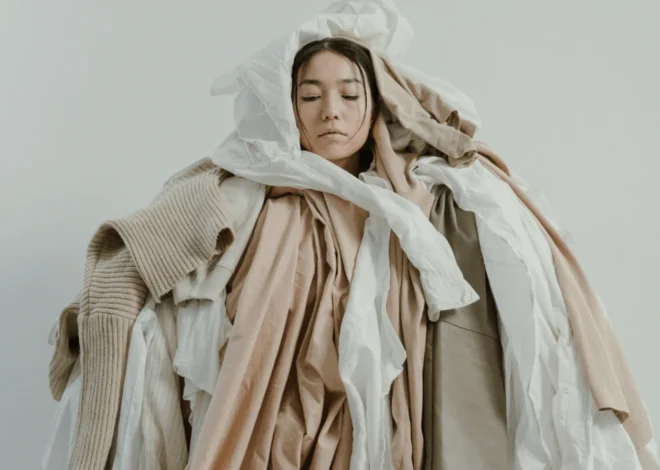
Much like a girl photo hidden face shared online that draws curiosity about what lies beneath, sustainable fashion invites us to look deeper into what our outfits conceal—the labor stories, the environmental costs, and the cultural shifts hidden in each fabric thread.
Consumers are beginning to demand more transparency, and brands are responding with eco-labels, supply chain tracking, and ethical certifications. This two-way push is reshaping the industry from the inside out.
The Role of Technology in Sustainable Fashion
Technology plays a critical role in making sustainable fashion viable. From AI-powered design tools that reduce fabric waste to blockchain systems that verify sourcing, innovations are giving the industry a new direction. Virtual fitting rooms and digital wardrobes also reduce unnecessary returns, cutting down on shipping emissions.
Interestingly, technology that supports sustainability is not unlike digital platforms where people search for connections or resources. Just as one might scroll through business listings of Australia to find reliable services, fashion enthusiasts are turning to online platforms that highlight eco-conscious brands, making it easier to shop responsibly.
Slow Fashion as a Lifestyle
Sustainable fashion encourages the concept of “slow fashion”—buying fewer items of higher quality and caring for them so they last longer. This philosophy extends beyond clothing and becomes part of a holistic lifestyle. People embracing slow fashion often find themselves re-evaluating other aspects of consumption, from home ownership to dining choices.
For example, the thoughtful mindset behind sustainable fashion can influence decisions such as when to buy home Australia and choose energy-efficient living spaces, or how to support eco-friendly restaurants by exploring guides like the best restaurant directory of Australia. These parallels show how sustainability in one area of life can ripple into many others.
Emotional Connection with Fashion
Fashion is not just fabric and thread—it is deeply emotional. A favorite outfit often carries memories, confidence, or even vulnerability. In a way, fashion parallels self-expression platforms such as MySadShayari, where people express their emotions through words. Sustainable fashion encourages that same authenticity—choosing clothing that represents not just outward beauty but also inner values.
When someone wears a sustainably made dress, they aren’t just following a trend; they are telling a story of care, compassion, and responsibility. That emotional connection makes fashion more personal and meaningful.
Global Impact and Local Choices
The beauty of sustainable fashion lies in its dual impact: it addresses global concerns like climate change while empowering individuals to make local, thoughtful choices. Supporting ethical brands, thrifting, or even swapping clothes with friends can make a difference.
Local businesses and designers also play a huge role. By creating garments from regional resources, they reduce carbon footprints and support community economies. This local-global balance reflects the interconnectedness of today’s world, where a purchase decision in one country can influence environmental practices across the globe.
Challenges in Adopting Sustainable Fashion
Despite its promise, sustainable fashion faces challenges. Eco-friendly clothing often comes with higher upfront costs, making it less accessible for everyone. The industry also battles greenwashing, where brands falsely claim to be sustainable to attract conscious consumers. Education and awareness remain essential to help shoppers distinguish between authentic and misleading practices.
Another hurdle is changing consumer habits. The fast-fashion culture of “new season, new wardrobe” is deeply ingrained. Encouraging people to slow down, repair clothes, and appreciate timeless styles requires a cultural shift that may take years to fully embed.
Final Thoughts
Sustainable fashion is more than an industry trend—it is a social movement. It asks us to reconsider our values, align our purchases with our ethics, and recognize that fashion is not just about looking good but also about doing good.
Just as one might carefully browse through the business listings of Australia for trusted services or look into the best restaurant directory of Australia for quality dining, consumers now research their clothing choices with the same diligence. Sustainable fashion thrives on this intentionality.
In the end, fashion’s reinvention reminds us that style is not fleeting—it can be purposeful, responsible, and deeply human. And just as a girl photo hidden face hints at hidden depth, the rise of sustainable fashion reveals a powerful truth: beauty is not just in how clothes appear, but in the values they represent.
Related Posts
The Basics Every Closet Should Have

Essential Wardrobe Staples Every Fashion Lover Needs