Breaking Gender Norms In Fashion: Style Beyond Labels
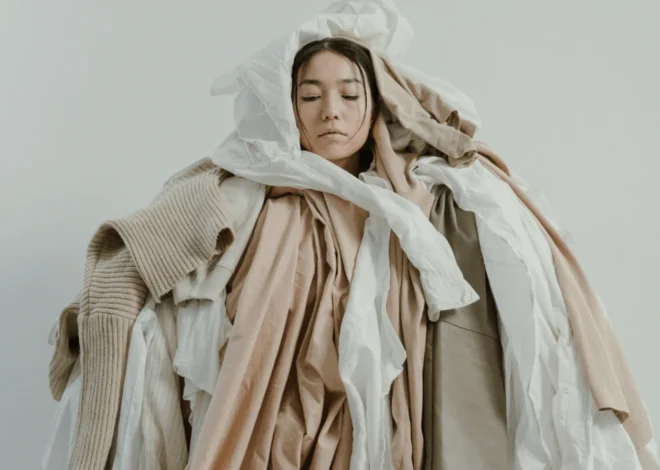
Fashion has always been more than just fabric, patterns, or seasonal trends. It is a language of self-expression that tells the world who we are and how we choose to be seen. For centuries, fashion has also carried the weight of social expectations, often dividing clothing into rigid categories for men and women. Today, however, a cultural shift is underway as designers, influencers, and everyday people challenge these boundaries and embrace style beyond labels.
Fashion As A Form Of Identity
Clothing is often the first thing noticed about a person, and it silently communicates identity. For someone choosing to wear outfits outside of traditional gender roles, fashion becomes a statement of authenticity and freedom. The choice to wear a flowing skirt, bold makeup, or oversized suits is no longer dictated by societal expectations but by personal comfort and creativity. Much like curating a girl insta dp to express personality online, fashion choices reflect individuality in the physical world.
The Evolution Of Gendered Clothing
Historically, clothing was not as rigidly divided as it later became. In many cultures, men wore robes, tunics, or adornments that today might be labeled feminine. Only in the modern industrialized world did the idea of gender-specific clothing harden into social rules. Suits, trousers, and ties were boxed into “male attire,” while dresses, skirts, and delicate fabrics were linked to “female fashion.” Breaking away from this binary, today’s fashion movement is reclaiming clothing as a universal form of expression.
Designers Leading The Way
Global fashion houses and independent designers alike are tearing down traditional divisions. Major brands have introduced unisex collections, while smaller designers experiment with fluid silhouettes, oversized garments, and playful color combinations that defy conventional expectations. The emphasis is on creativity rather than conformity. When a label launches such collections, it shows the industry’s recognition that people want to dress for themselves, not for outdated gender categories.
The Influence Of Social Conversations
The conversation around inclusivity in fashion mirrors broader discussions in law, politics, and society. Just as an australian legal practitioner might advocate for equal rights in court, fashion leaders are pushing for equality through fabric and design. The demand for clothing that allows people to express their true selves is not a fleeting trend but a social movement, influencing generations to see fashion as something universal rather than divided.

Culture, Expression, And Rebellion
For many individuals, embracing clothing that blurs gender lines is an act of cultural expression and quiet rebellion. The power of words, like hindi shayari attitude quotes shared across social platforms, can inspire confidence in self-identity. In the same way, fashion serves as a personal manifesto—an announcement that one refuses to be confined by society’s outdated boxes. Whether through bold prints, minimalist styles, or accessories that mix traditional masculine and feminine cues, the statement is the same: authenticity matters more than labels.
Media And Marketing Shifts
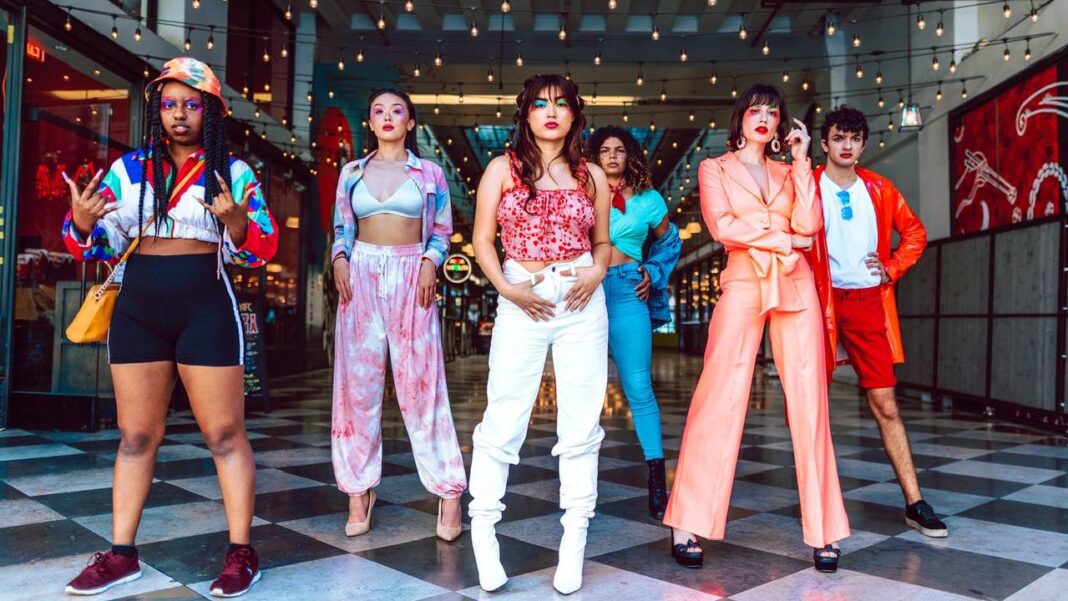
Fashion does not exist in isolation—it is heavily influenced by media and marketing. Campaigns are no longer confined to binary categories. Advertisements now feature models of diverse identities, showcasing everything from suits paired with jewelry to dresses styled with sneakers. This shift is supported by industries that amplify voices of change, including marketing agencies australia that highlight inclusive storytelling. By amplifying campaigns that celebrate freedom of style, these agencies play a vital role in reshaping public perception of fashion.
Everyday People Redefining Fashion
What makes this movement powerful is that it isn’t limited to celebrities or designers—it is everyday people making conscious choices. Street style reflects the courage of individuals experimenting with outfits that speak to their soul rather than societal rules. Whether through thrifting, mixing pieces from different categories, or simply refusing to shop based on gendered sections, people are driving this cultural evolution forward.
Accessibility And Local Connections
Fashion inclusivity also depends on accessibility. The internet and local communities have become hubs for people seeking style inspiration outside traditional norms. Just as a local trades listing site connects services and communities, fashion communities online and offline create spaces where people can share ideas, offer support, and find representation. These spaces are breaking down not only gender norms but also barriers of geography and affordability, making inclusive fashion movements accessible to all.
Beyond Fashion: A Cultural Shift
The move toward style beyond labels is more than just a change in wardrobes—it represents a broader cultural transformation. It challenges the assumptions we hold about identity, gender, and freedom. When society embraces the idea that clothing has no inherent gender, it creates space for individuality and authenticity to thrive. This shift also fosters empathy, as people begin to understand that labels can restrict rather than empower.
Final Thought
Breaking gender norms in fashion is about reclaiming individuality and reshaping identity. The trend is not simply about unisex clothing but about the freedom to define style on one’s own terms. As society moves forward, fashion will remain a crucial platform where creativity and inclusivity intersect. By stepping beyond labels, we allow style to evolve into what it was always meant to be: a reflection of self, not of societal rules.
Related Posts
The Basics Every Closet Should Have
Essential Wardrobe Staples Every Fashion Lover Needs